Our seasons
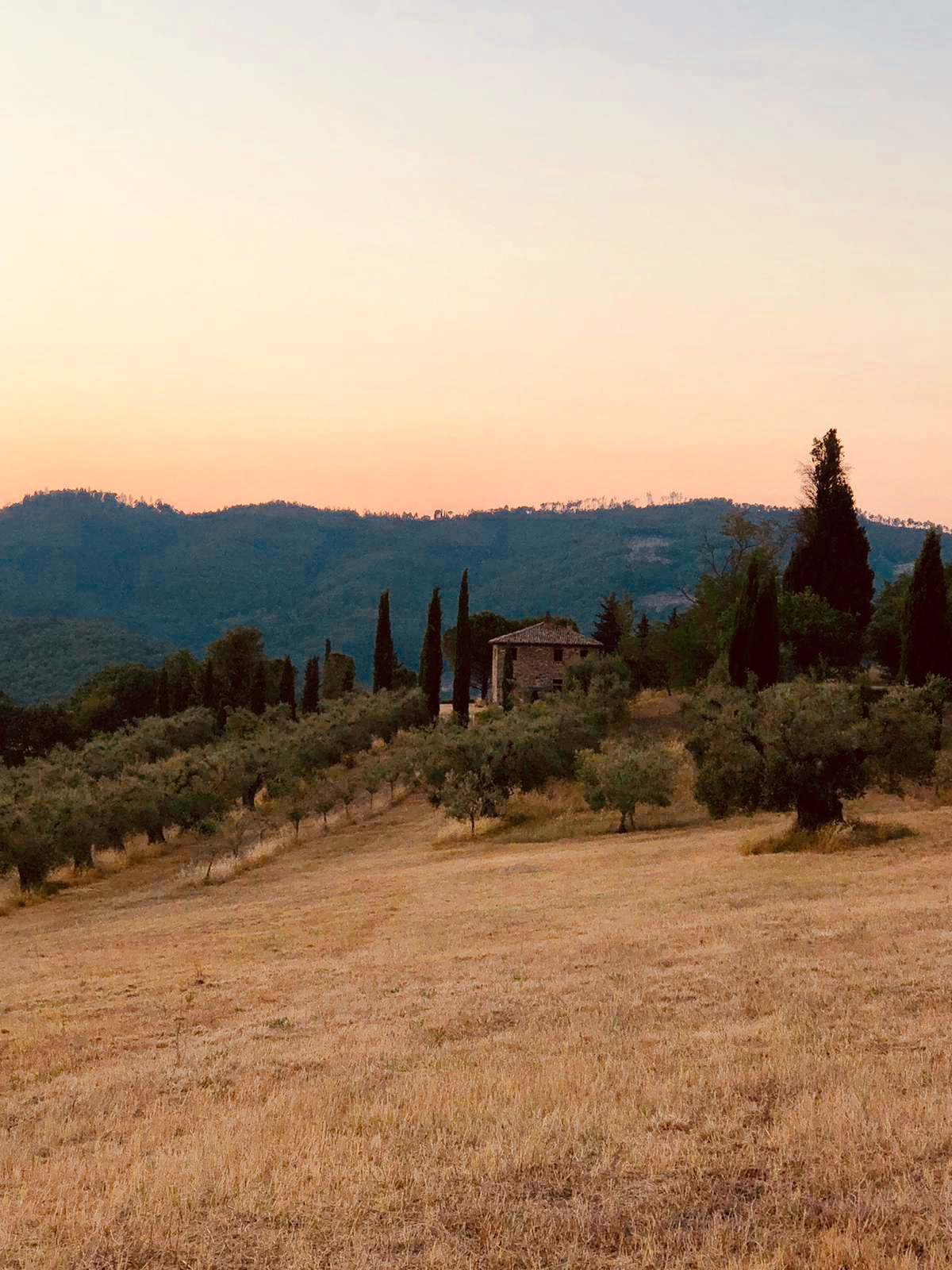
Our climate is characterised by mild, wet winters, with occasional cold winds and snowfall in higher elevations, followed by warm, dry summers.
The kitchen garden, or ‘orto’, is full of fava beans, which you can eat raw in spring, ripe tomatoes, zucchini with their exquisite yellow flowers that tumble across the plate, peas, artichoke, various types of garlic, sweet cucumber, horseradish, bell peppers (capsicum), swiss chard, kale, wild spinach, various types of onions, potatoes, and many salad varieties.
Later we get fennel, radish, turnip, eggplant (aubergine), little cauliflowers, some broccoli, squash, pumpkin, sweet cabbage. We grow many herbs – rosemary, sage, flat parsley, marjoram, basil, various types of mint, oregano, chives, thyme, savory (which has a bold, pepper flavour) – and these herbs fill our meals.
We enjoy fresh teas made from many of these same herbs; rosemary, sage, lemon verbena, lemon balm, Siberian sage, mint leaves from the garden, or wild mint which grows in the fields and creates a magnificent perfume that surrounds you when walking outside in the summer.
Certainly we have many herbs that can be used for fresh teas with various suggested health benefits. And at some point we will also use these herbs along with our lavender and other medicinal plants for our outdoor bath; somewhat along the lines that Suor Bernardina described in her now-forgotten classic, ‘Guarire con le erbe’.
In spring small wild strawberries and thin wild asparagus grow near the edges of the fields and roads. We have wild cherry and wild fig trees as well as more domesticated mulberry, plum, apple, and lemon trees. A wide variety of berry bushes surround our vegetable patch.
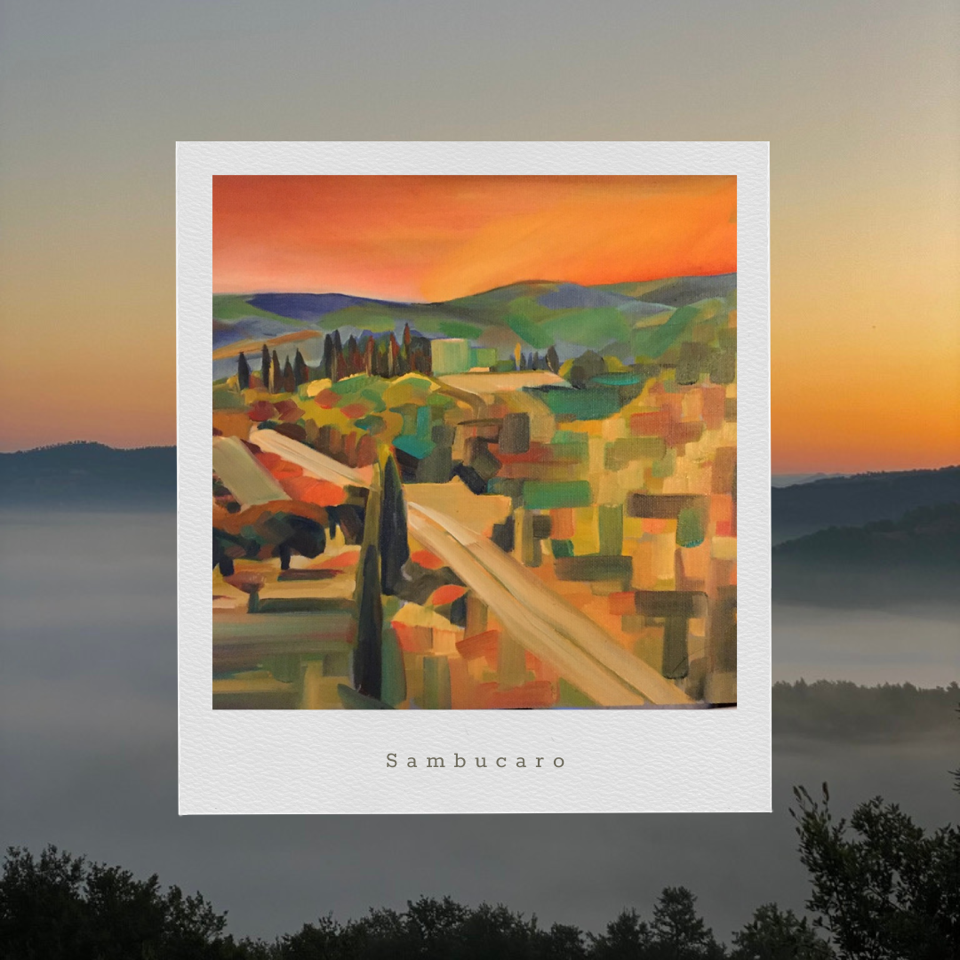
In summer there is also watermelon and rock melon. Wild blackberries are found in the hills. In autumn (fall) when the trees become a mass of bright colours — reds, oranges and yellows — we enjoy rich persimmon and juicy pomegranate.
In autumn we also collect chestnuts, which currently we turn into chocolate chestnut cakes (too many!) or other desserts. There are also pine nuts, good for pesto as well as desserts, but – like too many things here – we have yet to properly master.
At the right time, at various points in the year, we benefit from wonderful mushrooms, which we eat grilled or fried on their own or in grander dishes with pasta or meat. If the dog is lucky enough to find a truffle – once we had one the size of a baseball – then we make truffle pasta. Sometimes we do get a lot of truffles when the weather conditions are favourable.
We have used the elderflower in our garden here to make syrups, cake, and tempura; the cherries to make crumble, compôte, and liqueur. We have combined the two, elderflower and wild red cherries, into a wonderful, fresh breakfast jam for bread or pastries. The same happens for mulberries, if they are not all eaten immediately, and the other fruit we have when late frosts don’t get to them… A particularly good combination is apricot jam made with rosemary. We enjoy figs late summer which we eat with cheese, bread, and our vegetables on picnics out in the fields.
We are keen to do more in terms of planting, especially of historical varietals, around which we aim to write some text focused on the great value and use of diversity in the home garden. We have already done a little work on past use of raw ingredients in Italy. It is clear after working through old texts that some of the particular flavours, older combinations and techniques for cooking natural ingredients, have become forgotten over time…
We are keen to explore products such as oils, preserves, pickles, dried fruit, dried tomatoes and olives, honey, and natural beverages, as well as soaps and natural colour dyes. We have made a tiny start in this direction, for example in terms of bottling produce, making relish (for example with zucchini), drying our olives, and making liqueurs, but the virus stymied much of our progress. We have just now started to make some progress.